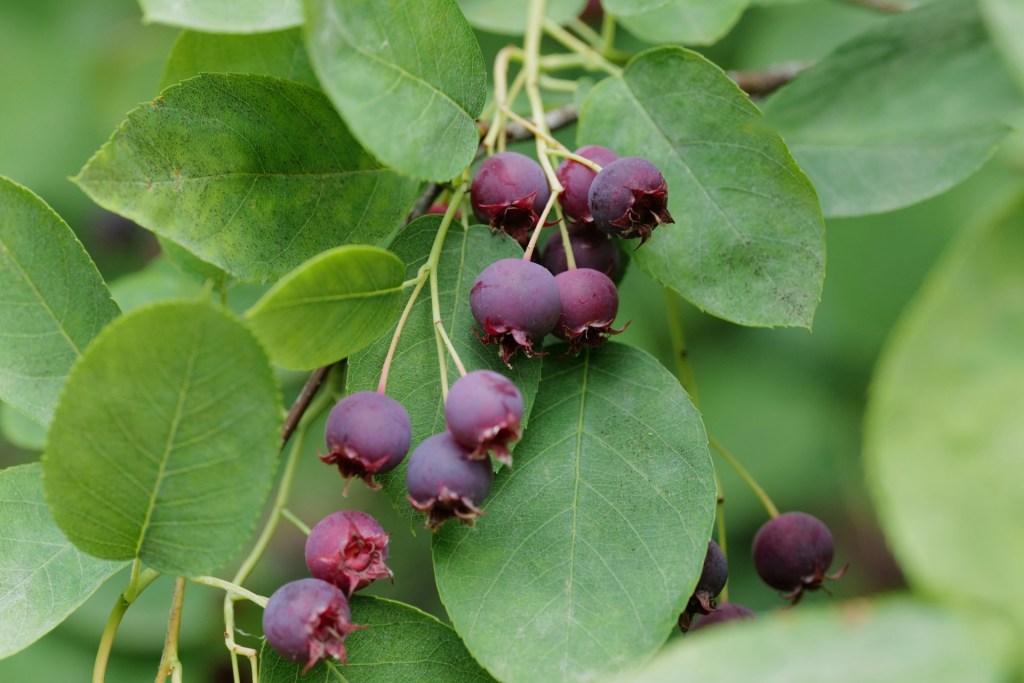
I’m currently reading The Democracy of Species by Robin Wall Kimmerer. She is explaining how – in the Potawatomi language that may have been spoken by her ancestors – that a bay is animate and active. In English a bay is a thing ‘it’, in Potawatomi you speak of a bay as living and in process. She writes: “If a maple is an it we can take up the chain saw. If a maple is a her, we think twice”. (p 20). Language is one of our strongest framing and cultural tools. How would we experience wicked problems if we spoke about them in Potawatomi?
This reminded me of a recent conversation with a friend who asked if I’d found my British Sign Language personality yet. I’ve been learning BSL for about 6 years now so I immediately understood what she meant. BSL has many fewer signs than English has words. So you need to explain new ideas and how you feel about them, you can’t just drop the word ‘neoliberal’ say into a conversation and expect it to do all the work. BSL is also much more physically expressive. My introverted English personality couldn’t get the grammar right at first as much of it is in your facial expressions and the energy in your gestures. Now I’ve been learning for longer I find my BSL personality is more energetic and extrovert, less anxious, and takes more care with explanations.
What does all of this mean for education for wicked problems? I think it’s essential to approach wicked problems from varied perspectives and to consider deeply how other beings experience them. Learning languages deeply is a fabulous way to do that. We need more language learning for wicked problems.
Photo by Georg Eiermann on Unsplash


Leave a Reply