I’ve just been reading this thought provoking paper by Alayna Paolini, Iqbal Bhalla and Phillip Loring about how the idea of regeneration could be a valuable boundary concept for wicked problems, such as the climate and nature emergencies. Concepts can be a form of boundary object. Boundary objects are entities that, according to Susan Leigh Star:
- reside between social worlds;
- are sufficiently flexible or ambiguous that they can be tailored within specific social worlds;
- still retain some shared meaning between different social worlds;
- help coordinate action between social worlds in the absence of consensus.
The notion of regeneration carries with it powerful connotations of healing and renewal and “discussions of regeneration often attend to the quality of relationships, care, resilience, and overall well-being” (Paolinni et al., 2024, p. 92.). This concept has been used productively across a wide range of fields such as Agriculture, Economics, Medicine and Energy Systems, making it well suited to the kinds of interdiscplinary work needed in relation to the ecological polycrisis. It’s use meets the criteria of local redefinition without losing shared meaning. Regeneration also carries meanings in popular culture that are compatible with these conversations. It has the advantage of going beyond the idea of sustainability, toward actively making things better.
As boundary concepts are powerful and flexible entities, it’s not surprising that they can be appropriated for problematic purposes. Paolini and her colleagues give some telling examples of how regeneration could be used for greenwashing or cultural appropriation. To my mind that’s not a reason to stop using the concept, it’s a call to use it with care and reflexivity.
How could you use the concept of regeneration in your own work? What other boundary concepts or boundary objects work for you? Please comment 🙂
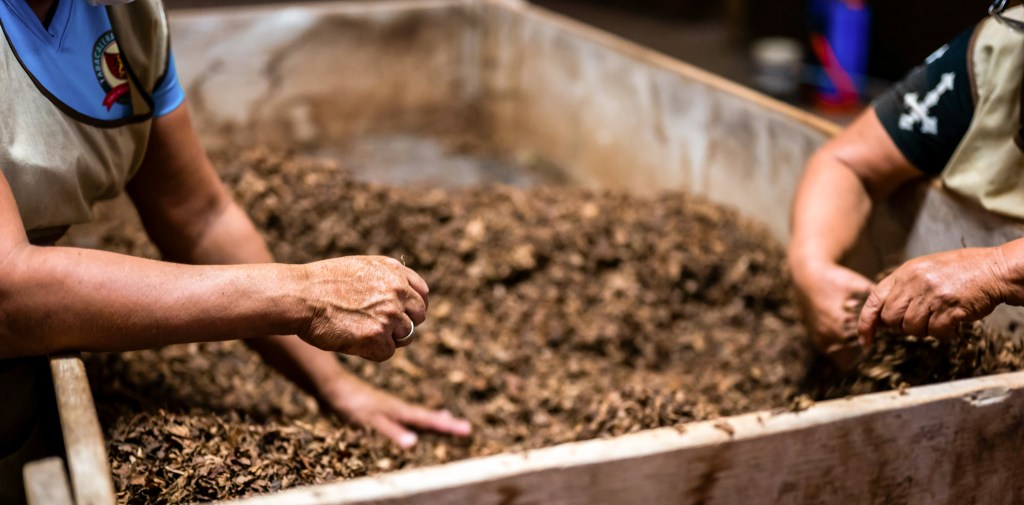
Photo by Conscious Design on Unsplash edited by Vel McCune


Leave a Reply